What Human Resources Teams Should Do About Address Quality
Address quality is not an IT problem or an operations problem, it is an HR problem. HR teams are responsible for ensuring every location in their organization stays compliant, and that responsibility extends to the data that underpins every compliance shipment that goes out the door. Here is what HR teams should be doing today.
Own the address data conversation. In most organizations, no single team formally owns location address quality. IT manages the systems, facilities manages the buildings, and HR manages the compliance program, but nobody is accountable for ensuring the address data across all three is accurate and consistent. HR is the natural owner of this conversation because HR carries the compliance risk when something goes wrong.
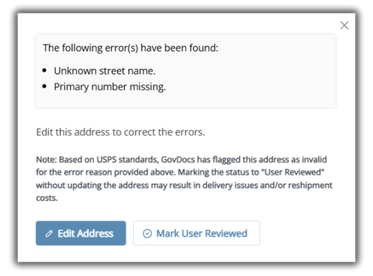
Make address validation part of your new location onboarding process. Every time a new location is added to your program, the address should be validated against USPS or Canada Post postal data before it is saved as the record of truth. This is the single highest-leverage change an HR team can make, catching errors at entry is significantly easier than correcting them after they have propagated across multiple systems.
Conduct a baseline audit of your existing location data. If your organization has never formally validated its location address data against an external postal standard, a baseline audit is the place to start. Pull your full location list, run it through a validation process, and categorize your results. The goal is not to fix everything at once — it is to understand the scope of the problem so you can prioritize effectively.
Establish a regular address review cadence. Address data is not static. Build a rhythm into your compliance calendar — at minimum annually, and additionally any time your organization adds locations in bulk, completes an acquisition, or migrates HR systems. Treat address quality the same way you treat other compliance hygiene practices: scheduled, documented, and owned.
Use address validation results to inform cross-functional conversations. If your organization’s location address data has quality issues in your compliance program, the same issues almost certainly exist in payroll, facilities, and other systems. HR is uniquely positioned to bring these teams together around a shared data quality initiative, and address validation results from your compliance program are a concrete, actionable starting point for that conversation.
Document your review process. In a compliance context, documentation matters. When your team reviews an address, corrects an error, or makes a deliberate decision to keep an address as entered, that action should be recorded. A documented address review process demonstrates due diligence, and provides important context if a delivery issue ever becomes a compliance question.